On the Integrated Systems Europe 2026 show floor, conversations tend to repeat themselves - but not in a bad way. Rather, this happens because the same priorities keep surfacing. When hundreds of integrators, manufacturers, MSPs and enterprise teams all ask about the same things, it tells you where the market is heading. It reveals patterns in how people think, what parameters they’re evaluating and what they expect from the systems they buy. That’s what makes ISE such a useful venue. It’s not just a showcase of what’s new - it’s a snapshot of what matters at this moment.
Here are five key questions I expect to be hearing next week in Barcelona:
Question #1: “How do I know this will be reliable in every room, every meeting?”
That’s what most early conversations come down to. Not “what features does it have?” or “how is it different?” - but whether it performs without exception. Buyers are looking for systems that work reliably - every time, across every room and without reminders, resets, or last-minute fixes.
This question keeps surfacing because the cost of AV failure has grown dramatically. Hybrid work is baked into day-to-day business reality, yet a recent report by Owl Labs on the State of Hybrid Work suggested that 77% of workers say they’ve lost time to technical difficulties, with 27% report losing more than 10 minutes per meeting to tech setup alone. AV systems support board meetings, client briefings, earnings calls and much more. These are high-visibility moments with no margin for disruption. And with rising room counts and leaner support teams – there’s little room for manual oversight or reactive fixes.
The reality is, most AV equipment vendors offer some version of the same box. It may not matter whether you buy this or that brand of monitor, camera, or mic. The specs are no longer enough. Buyers want to know what happens after install - when the room sits idle, when software updates roll out, when no one’s watching.
Question #2: “Can I manage this room - not just the gear?”
I expect this question will lead to many conversations in the booth next week. Last year, buyers asked about devices. They were talking about whether portals could track power status, firmware updates, and uptime. This year, the wind has shifted. They want to know if the room is usable - not just if the equipment is online.
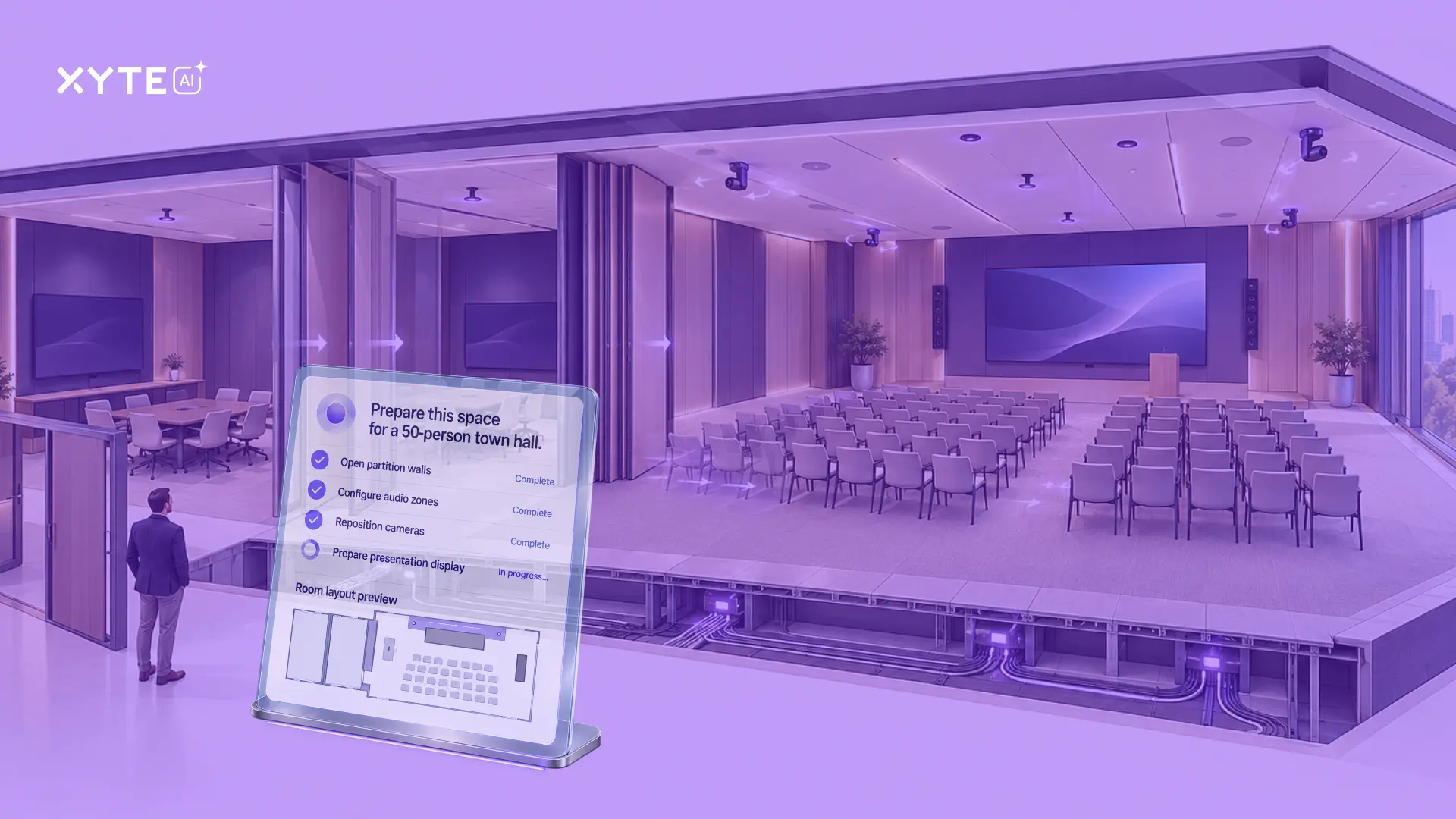
That shift follows the way that AV is being used. Meetings happen inside rooms. A working display doesn’t help if the camera is disconnected or the audio is muted. AV teams need to see the whole space, with every component in context, and with a clear path to resolution when something breaks down.
Room-level management supports that kind of visibility. It shows whether a space is ready, what might interrupt it, and where support teams should focus. That view is now part of the baseline. Buyers expect it. And the systems that deliver it (like Xyte) will be sparking interest on the trade show floor.
Question #3: “How does this help me grow my services business?”
With hardware increasingly commoditized, services are becoming the clearest path to growth for many integrators. Teams are building offerings around remote room-level diagnostics, usage-based support tiers, energy performance reporting, and preventive maintenance routines. These are becoming the foundation for long-term customer value and recurring revenue.
At ISE 2026, I expect buyers to ask how the platform supports services they can package and sell. They want to offer services like proactive maintenance, guaranteed uptime, energy savings, and rapid remote issue resolution. Doing so helps them create recurring revenue, strengthen the customer relationship, and build out brand value. Platforms that support this can help teams grow without expanding headcount or reinventing their operating model.
Question #4: “Can I actually do something with the data?”
This comes up in almost every customer conversation at some point – and I’m expecting to hear it at ISE, too. AV devices create a lot of data. But a dashboard that reports device counts or meeting activity without context doesn’t support actual decision making. I get asked all the time how all this data can be put to work – guiding planning, improving uptime, and showing where performance needs improvement.
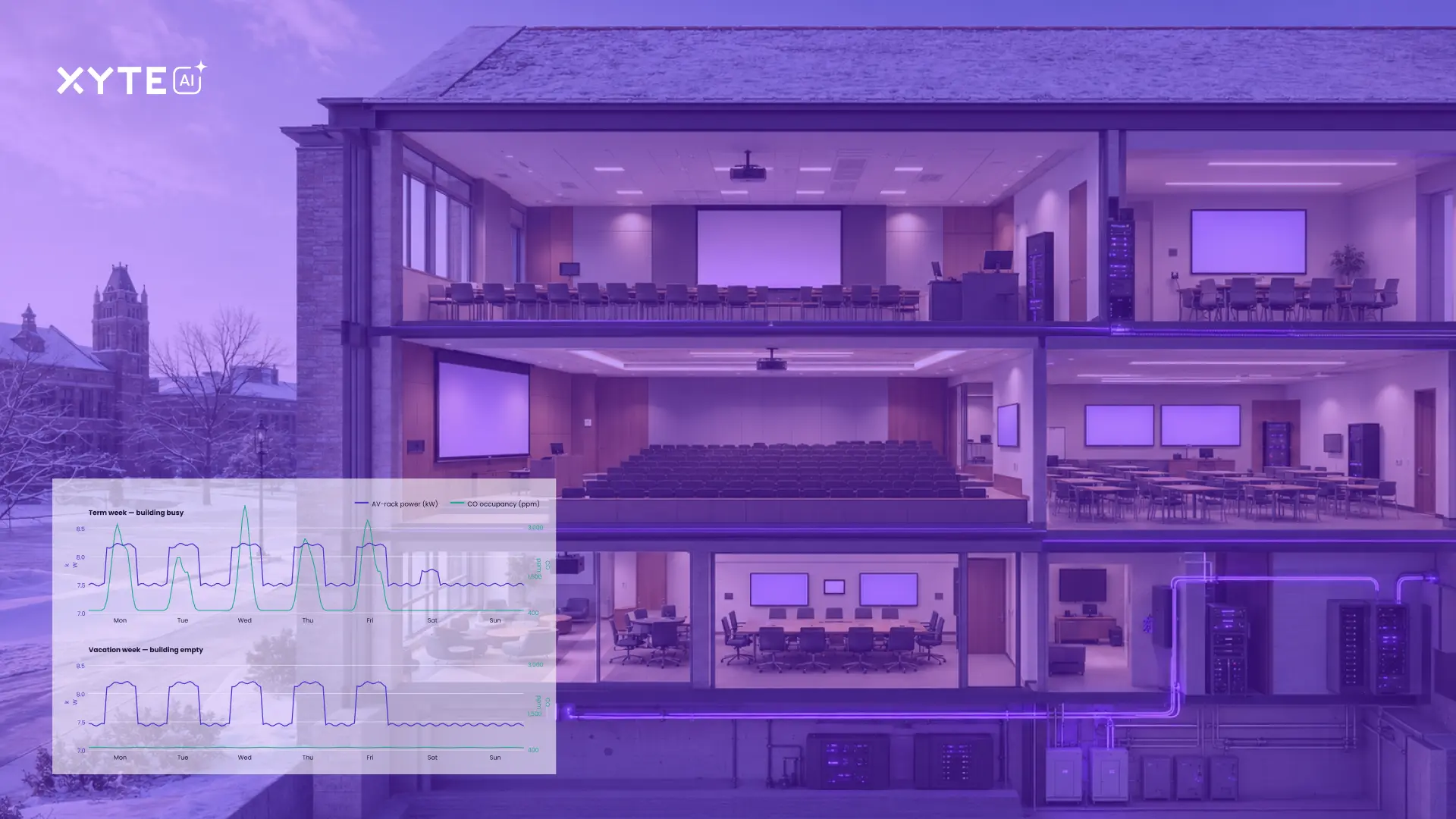
The good news is that this data can be put to work. Enterprises can use room-level analytics to plan infrastructure expansion, consolidate underused spaces, and adjust capacity before problems grow. By reviewing incident histories, they can strengthen coverage and identify system bottlenecks. Manufacturers can use data to track adoption across segments, compare performance across firmware versions, and study usage patterns to shape the direction of future products.
At ISE, I expect buyers to focus on what data enables. They want to see how insights support real decisions and how the platform helps teams act before small issues turn into bigger ones.
Question #5: “Everyone says they have AI, how is your AI going to bring REAL results?”
This is one of those topics that runs through nearly every conversation. A buyer wants lower support MTTR – so she asks if AI can help prioritize tickets. An MSP wants to streamline incident response – so he asks if the system can suggest fixes based on similar incidents.
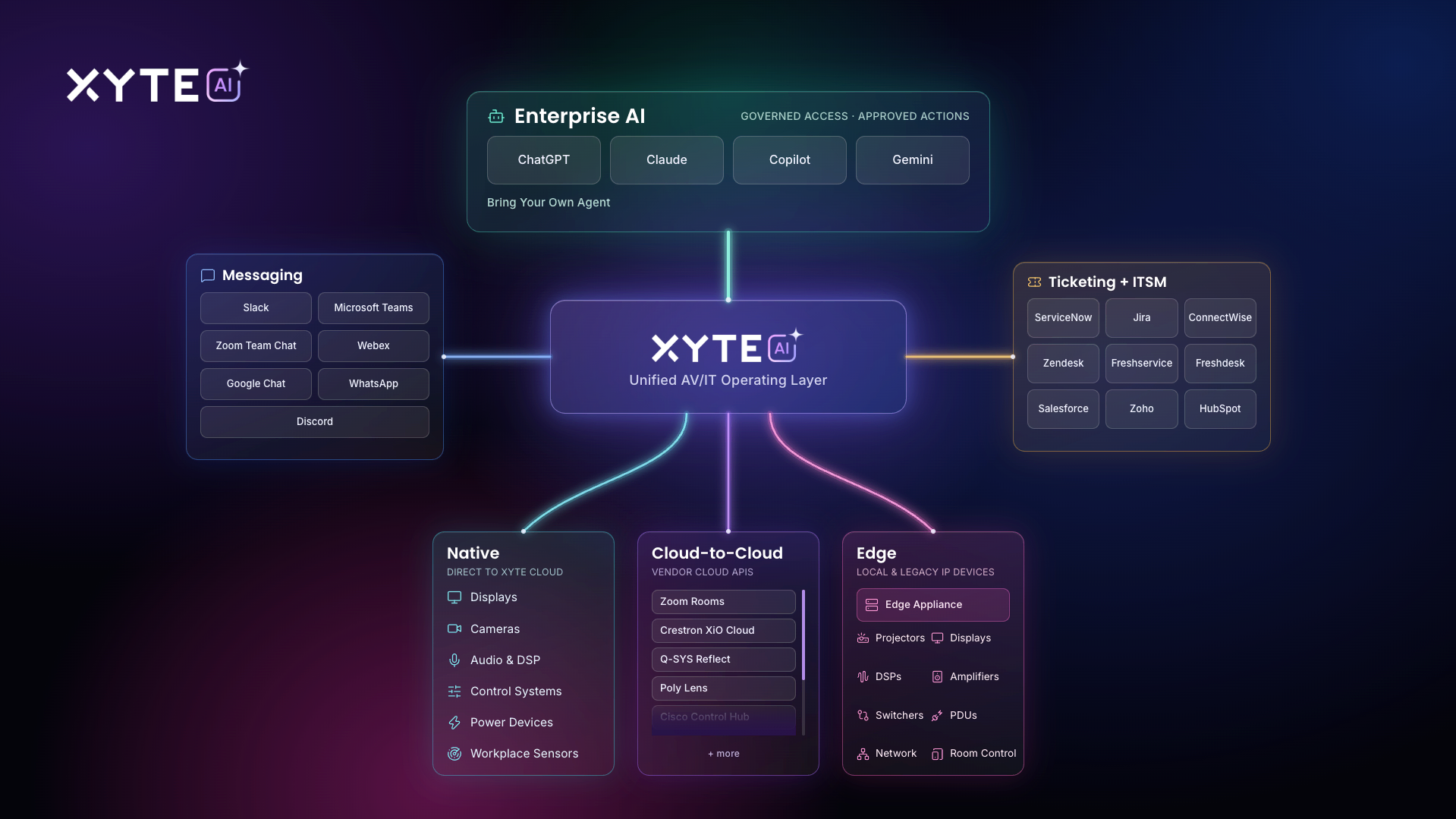
AI is already entering the conversation via real operational goals. That’s why I don’t frame AI as a standalone feature. I show where it’s already in place. It helps identify root cause, summarize incidents with context, and drive resolution through built-in workflows.
At ISE, I expect AI to surface through questions about automation, speed, and efficiency. Buyers want results, not explanations. If the system helps them respond faster, find answers sooner, and stay ahead of failures, then AI is doing its job.
The Bottom Line: What Buyers Will Actually Want at ISE 2026
I expect this year’s ISE to center on outcomes and execution. The conversations in the booth will focus on what works now - not future roadmaps or feature concepts, but systems that support real rooms, active teams, and live deployments. Buyers will be looking for outcomes they can act on, instead of features they can compare.
Every question I’ve shared here reflects that shift. People want reliability they don’t have to monitor. They want room-level visibility they can trust. They want data that moves decisions forward and service models that add revenue without adding headcount.
This is what I love about ISE. It helps cut through the noise and surface what matters most to the people doing the work. Along with my colleagues, I’ll be there next week in Barcelona, listening carefully to what gets asked – because that’s what will tell me where the market is moving next.